
Hi, I'm Jenny P. I live in New Hampshire.
Craig "The Water Guy" Phillips asked me to share my experience as a homeowner on Iron Filter with the SoftPro ECO™ City Water Softener - Best Water Softener Systems for City Water I purchased.

This is how my adventures played out. I hope this helps you in your decision.
The Hard Water Problem That Finally Pushed Me to Act
Let me paint you a picture of what life was like before I got serious about our water issues. Every morning, I'd walk into my kitchen and see those stubborn white spots covering my coffee maker, the faucet, and practically every surface that water touched. Have you ever tried scrubbing mineral buildup off a glass shower door only to have it return within days?
That was my reality for three years.
The real wake-up call came when our water heater started making strange noises. The repair technician took one look inside and showed me the mineral buildup coating the heating elements. "You've got some seriously hard water," he said, shaking his head. "This thing's working twice as hard as it should be."
I tested our water and discovered we had 18 grains per gallon of hardness – well into the "very hard" category. The calcium and magnesium minerals weren't just leaving spots; they were slowly destroying our appliances, making our skin feel dry and itchy, and turning laundry day into a frustrating battle against dingy, rough clothes.
My husband and I were spending a small fortune on bottled water because our tap water had this metallic taste that made coffee barely drinkable. Between the appliance repairs, extra cleaning products, and bottled water costs, we calculated we were hemorrhaging about $150 monthly to hard water problems.
Research Journey: Finding the Right Solution
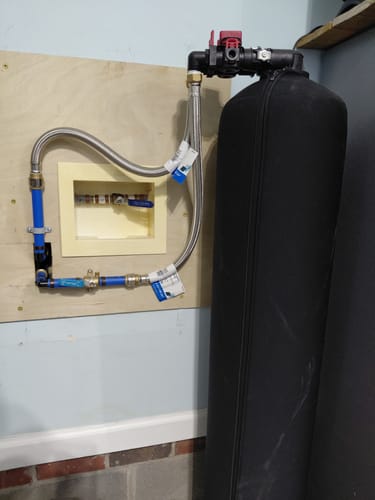
I'll be honest – I knew almost nothing about water softeners when I started researching. My neighbor had one of those big salt-based systems, but it seemed complicated and took up half her utility room. I wanted something more efficient and space-conscious.
After diving into water treatment forums and reading countless articles, I learned about ion exchange technology and how different softener types handle various water conditions. The key factors that mattered most to me were efficiency (I didn't want to waste tons of water during regeneration), compact size, and proven performance with our specific hardness level.
I spent weeks comparing salt-based versus salt-free systems, reading about NSF certifications, and trying to understand terms like "grain capacity" and "flow rate." The SoftPro ECO kept appearing in discussions about high-efficiency systems that didn't require massive amounts of salt or water for regeneration.
What ultimately sold me on the ECO was learning about its demand-initiated regeneration system.
Unlike timer-based units that regenerate whether they need to or not, this one only regenerates when the resin bed is actually exhausted. For someone trying to be environmentally conscious while solving a real problem, that efficiency appealed to me.
Unboxing and First Impressions
When the SoftPro ECO arrived, I was surprised by how compact the packaging was compared to what I'd expected from researching other systems. The unit itself is surprisingly well-built – the control valve feels solid, not plasticky like some budget models I'd seen in stores.
Everything came well-protected with plenty of foam padding. The installation manual was refreshingly clear, with actual photos instead of confusing line drawings. I appreciated that all the necessary fittings were included, though I did need to purchase bypass valves separately since our plumbing setup was a bit unusual.
The resin tank arrived pre-filled, which was a huge relief. I'd read horror stories about people having to deal with messy resin installation, so having that done professionally was worth whatever extra cost was involved.
One thing that impressed me right away was the digital display. It's not fancy, but it clearly shows when the system is regenerating, how much capacity remains, and any error codes. After dealing with appliances that give you no feedback about what's happening, this transparency was reassuring.
Installation Experience and Setup Process

I debated whether to tackle installation myself or hire a professional. The manual made it look straightforward, but I decided professional installation was worth the peace of mind, especially since our main water line wasn't in the most accessible location.
The plumber I hired had experience with SoftPro systems, which made everything go smoothly. Installation took about three hours, including connecting the bypass valves and setting up the drain line for regeneration. The most time-consuming part was actually running the drain line to our utility sink – something I hadn't fully considered during planning.
Initial programming was surprisingly intuitive. The system needs to know your water hardness level (18 grains in our case) and household size to calculate optimal regeneration timing. I used our actual water test results rather than guessing, which the manual strongly recommended.
The first regeneration cycle happened that night. I heard it running around 2 AM – not loud enough to wake us, but audible if you were already awake. The whole process took about 90 minutes, using roughly 25 gallons of water and 6 pounds of salt according to the display readout.
Performance Testing and Real-World Results
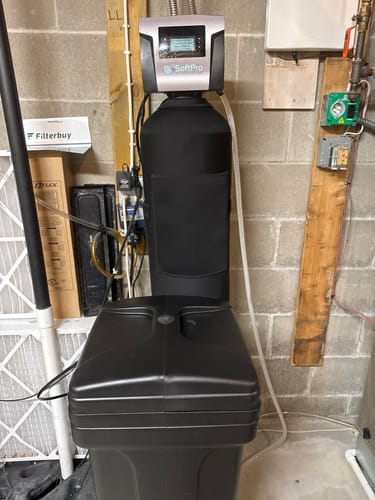
I'll admit I was skeptical that one device could solve years of frustration, but the results started showing up within 48 hours. The first thing I noticed was how different water felt in the shower. Instead of that tight, dry feeling on my skin, water felt genuinely soft and almost slippery.
I tested the treated water with hardness test strips and got consistent readings of 0-1 grains per gallon – essentially soft water. More importantly, those stubborn white spots stopped appearing on my glassware and fixtures. My coffee maker went from looking permanently stained to actually clean for the first time in years.
The real test came over the following weeks. https://www.softprowatersystems.com/collections/water-softeners-for-city-water I started paying attention to how much soap and detergent I was using. With soft water, I needed about half the amount of dish soap to get the same cleaning power. Laundry detergent usage dropped significantly too, and our clothes started feeling softer and looking brighter.
After three months of use, I had our water heater inspected during routine maintenance. The technician commented on how clean the heating elements looked compared to his previous visit. "Whatever you did with your water situation is working," he said. That validation felt great.
The taste improvement was immediate and dramatic. Our tap water went from having a noticeable metallic edge to being completely neutral. We stopped buying bottled water within the first week and haven't looked back.
Daily Living Impact and Household Benefits
Six months in, the improvements have become part of daily life in ways I didn't expect. Cleaning the bathroom takes half the time because soap scum barely forms anymore. My teenage daughter, who previously complained about her hair feeling "weird" after washing, now loves how soft and manageable it is.
Our dishwasher performs like a completely different appliance. Glasses come out crystal clear without any spots, and I don't have to pre-rinse dishes as aggressively. The difference is so noticeable that guests comment on how clean our glassware looks.
I track our utility bills religiously, and our water heater's efficiency has improved measurably. Our electric bill dropped by about $15-20 monthly, which I attribute to the water heater not working as hard to heat mineral-free water.
The most unexpected benefit was how much better our skin feels, especially during New Hampshire's dry winter months. My husband's eczema, which always flared up in winter, has been much more manageable since we started using softened water.
Cooking with soft water has subtle but noticeable differences too. Rice and pasta seem to cook more evenly, and coffee tastes significantly better. It's amazing how much mineral content was affecting flavors without us realizing it.
Costs, Maintenance, and Long-Term Ownership
The operational costs are refreshingly reasonable. I buy salt in 40-pound bags every 6-8 weeks, costing about $6 per bag. The system uses approximately 6 pounds per regeneration cycle, and with our usage patterns, it regenerates every 8-10 days.
Water consumption for regeneration averages 25 gallons per cycle. At our local water rates, that's roughly $2.50 monthly in additional water costs. Combined with salt expenses, we're looking at under $15 monthly in consumables – far less than we were spending on bottled water alone.
Maintenance has been minimal so far. Every few months, I clean the brine tank to prevent salt bridges from forming. The process takes about 15 minutes and involves scooping out old salt and wiping down the tank interior. The manual provides clear guidance on what to look for.
The system's demand-based regeneration means we're not wasting salt and water when we travel or use less water than usual.
Traditional timer-based systems regenerate whether needed or not, but this one adjusts based on actual usage.
I haven't needed any service calls or repairs, though SoftPro's customer service responded quickly when I had questions about programming during the first week. Their technical support clearly understands their products and provided helpful guidance without trying to upsell anything.

Final Assessment and Buying Recommendation
After six months of ownership, I'm genuinely satisfied with choosing the SoftPro ECO. It solved every problem I hoped it would and delivered some benefits I hadn't anticipated.
The efficiency claims proved accurate, maintenance requirements are reasonable, and build quality seems solid for long-term use.
This system works best for households dealing with moderate to high hardness levels who want efficient operation without constant maintenance. If you're on city water with hardness above 10 grains per gallon, have noticed mineral buildup affecting appliances, or are tired of spending money on bottled water, this addresses those issues effectively.
The upfront investment pays back through reduced cleaning product usage, improved appliance efficiency, and eliminating bottled water purchases. For our household, we calculated a payback period of about 18 months based on savings alone.
Would I purchase it again knowing what I know now?
